

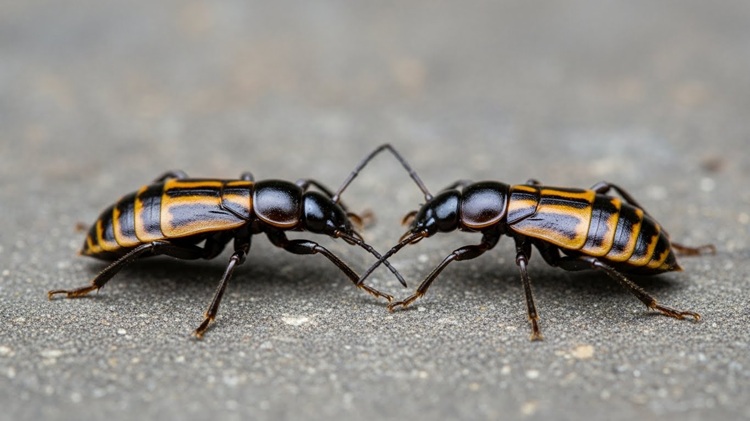
Termites, carpenter ants, and wood-boring beetles pose risk for homes in Tinton Falls. However, these wood-burrowing pests may move near homes and settle in hidden areas due moist soil, seasonal rain, and wooded surroundings. Protecting your home does not require drastic steps. However, it calls for consistent attention to areas that these pests favor most. Also, it may involve working with the best Tinton Falls pest control company. Below are six practical ways homeowners can reduce risk and keep wood structures in stronger shape year-round.
Control Moisture Around the Foundation
Termites depend on damp soil. Carpenter ants seek moist or weakened wood for nesting. Water that stays near the foundation can increase the chance of pest activity.
Start by checking how water flows after rain. Downspouts should direct water away from the house. Soil should slope outward, so moisture does not collect near foundation walls. Gutters need regular cleaning to prevent overflow that soaks siding and trim. In addition, basements and crawl spaces deserve close attention. You can lower moisture levels by investing in dehumidifiers. Also, proper ventilation keeps air moving and limits damp pockets where pests thrive.
Seal Entry Points and Wood Gaps
Wood-damaging pests take advantage of small gaps that already exist. These gaps include cracks in foundations, seams in siding, and gaps around utility lines.
Inspect the exterior of the home each season. Pay close attention to areas where wood meets concrete or soil. Caulk and sealants close off these openings and reduce access. Also, door frames, window trim, and vents deserve inspection. Tight seals protect against pests and moisture intrusion that can weaken wood over time.
Keep Wood Away From Soil Contact
Soil holds moisture and provides cover, which allows pests to move unnoticed. Deck posts, porch supports, and siding should not rest directly on the ground. Pests gain easy access to the structure if wood touches soil. Use concrete bases or metal supports to build a protective barrier.
Firewood storage is also an important consideration. Wood piles should sit off the ground and stay well away from the house.
Maintain Exterior Wood Surfaces
Rain, humidity, and temperature shifts wear down protective wood finishes. As wood ages, it becomes easier for pests to access.
Paint, sealant, and stain act as protective layers. When these coatings peel or crack, moisture seeps in and weakens wood fibers. Regular maintenance helps preserve wood strength and discourages pests.
Check decks, railings, fences, and trim for signs of wear. Address peeling paint or soft spots early. Replace damaged boards to prevent pests from gaining a foothold that spreads deeper into the structure.
Watch for Early Warning Signs Indoors
Wood-damaging pests may remain hidden for long periods. Catch early signs to limit damage and repair costs. Common warning signs include hollow-sounding wood, small piles of sawdust or debris, and mud tubes along foundation walls. Also, you may find discarded wings near windows if such pests have invaded your home. Even doors or windows may stick without clear cause because of these pests.
Schedule Professional Inspections
Pest professionals at Alliance Pest Services know where wood-damaging pests hide and how they move through structures. They offer annual inspections to catch termite activity. They can also identify moisture problems, wood-to-soil contact, and structural gaps that raise pest risk. Professionals use tools and training to assess.
Wood-damaging pests work quietly. Damage may build before visible signs appear. Waiting until clear damage shows can lead to expensive repairs that affect structural safety. You can take the steps above to protect your home from these pests. However, you may need a professional in Tinton Falls to address active infestations.